

The meaning behind the Φ symbol on Mosh caps
It's not just a logo Every Mosh cap has the Φ (Phi) symbol embroidered on it. We didn't choose it by chance or just for looks: it represents the hermetic principle "as above, so bel…
Read full article ›At first glance two caps can look almost identical, but the fabric finish makes the difference in how they feel, what image they convey and what time of year you'll wear them most. Here are the real differences between plain cotton and corduroy.
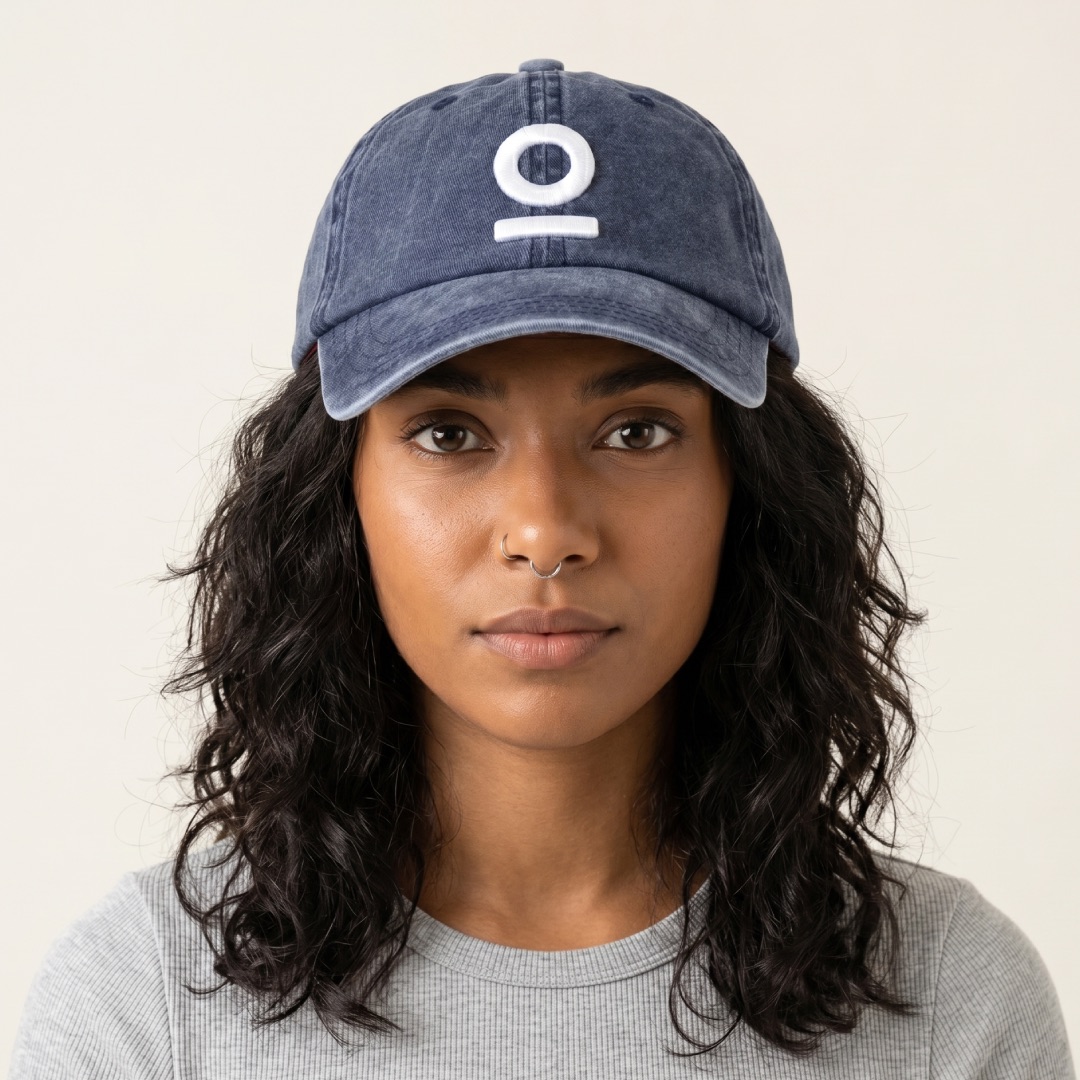
Light, breathable and easy to style. Washed-finish cotton (the one we use in the Lola collection) gives it a worn-in look from day one, without looking new and stiff. It's the most versatile option all year round.
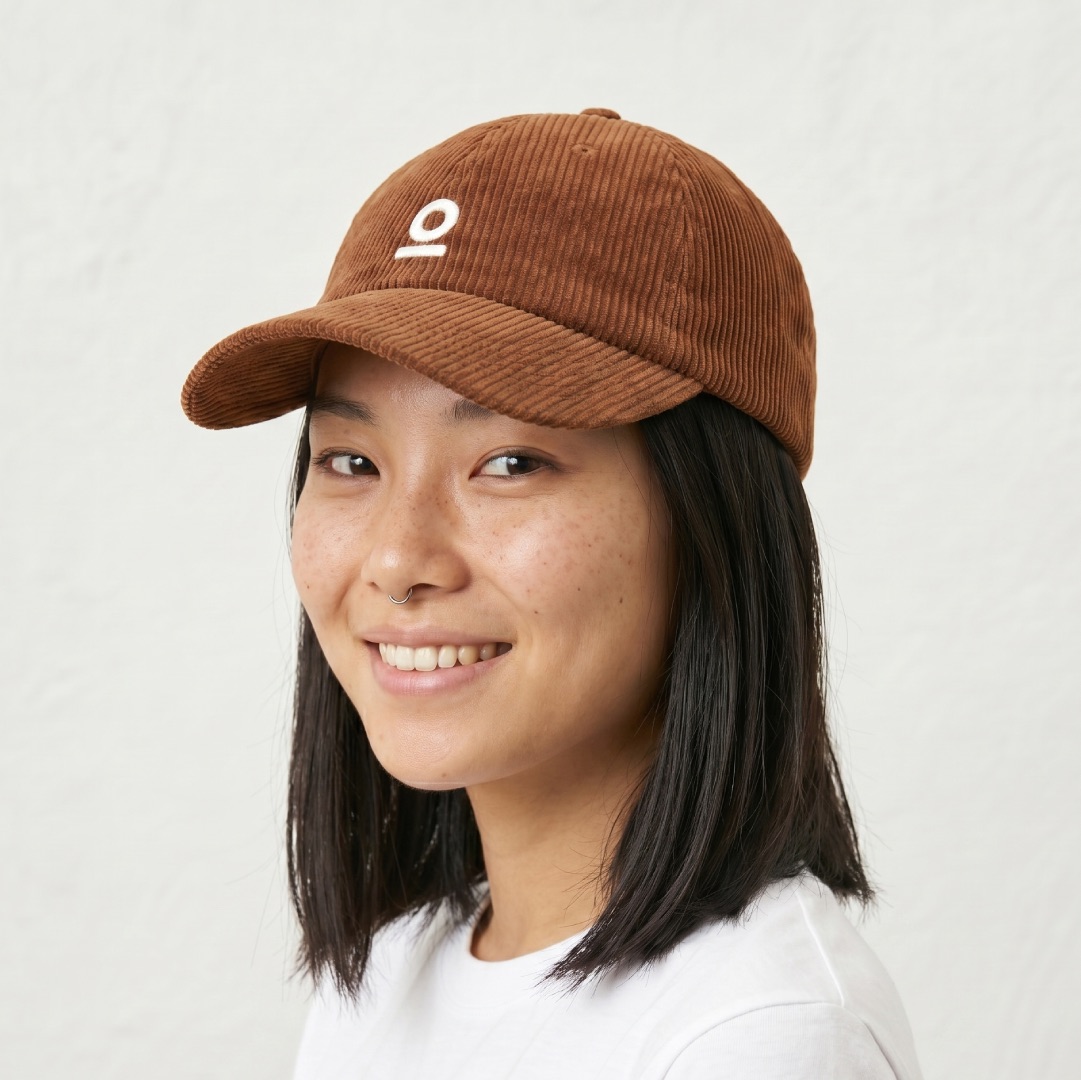
Here's an important nuance that's often taken for granted and isn't entirely true: corduroy isn't a thicker or warmer fabric than plain cotton. In fact, our corduroy caps are 100% cotton, just like the plain-finish ones — the difference is only in the weave, with that characteristic ribbing, not in the thickness or the material.
What is true is that, culturally, corduroy is associated with autumn and winter (because of its texture and the vintage look it evokes, closely tied to that time of year), and that visual association carries more weight than the technical reality of the fabric. So if you like the corduroy finish, there's no technical reason to put it away in summer — it's exactly as warm as the plain cotton version.
If you're after something genuinely different: neoprene does cope better with moisture than cotton (plain or corduroy) and holds its shape with more structure, ideal for intensive everyday use or rainy days.
You can see the whole range in cotton, corduroy or neoprene.
It's not just a logo Every Mosh cap has the Φ (Phi) symbol embroidered on it. We didn't choose it by chance or just for looks: it represents the hermetic principle "as above, so bel…
Read full article ›
Two classics, two distinct personalities "Dad cap" and "trucker" are the two most sought-after cap cuts, and they're often confused with each other. Although at first glance they look similar, the mate…
Read full article ›
A cap isn't just an accessory, it's a style statement Choosing the right cap for women isn't about grabbing the first one you like the look of. Size, material and shape c…
Read full article ›